
Foreign online casino
In the Dutch context, foreign casinos are gambling websites that are not licensed by the Dutch Gaming Authority (KSA), but are authorized by another regulator, such as Malta, Curaçao, Gibraltar, or the Isle of Man. In practice this means they are allowed to offer games under the rules of their own jurisdiction, but they are not connected to Dutch systems like CRUKS and are not supervised by the KSA for Dutch consumer protection. These platforms can still be accessible from the Netherlands via international domains and often target multiple countries at once with multilingual interfaces and payment options.
- Play responsibly | Terms and conditions apply. (For persons aged 18 and over only)












In the Dutch context, a foreign online casino is any gambling site that does not hold a licence from the Kansspelautoriteit but operates under an international licence from another regulator. Dutch‑language guides commonly describe an “online casino buitenland” as a site that may be registered, for example, in Malta, Curaçao or another offshore jurisdiction and therefore follows the rules of that regulator instead of Dutch rules. These casinos can offer slot games, table games, live casino and other products to an international audience, sometimes including Dutch players, even though they are not officially authorised as Dutch providers.
Various Dutch‑language articles note that foreign online casinos can look attractive because they often appear to offer more choice, larger bonuses and different payment options than strictly regulated domestic sites. International platforms may host a wider range of slots and live casino providers, higher maximum bets, or additional game types such as crash games and certain high‑volatility titles that are not always present on Dutch‑licensed platforms. Some foreign casinos also support payment methods like specific e‑wallets or cryptocurrencies that do not play a central role in the regulated Dutch market.
Discussions about foreign online casinos inevitably touch on legal and responsible gambling questions. Dutch law focuses on whether operators are licensed to offer games to Dutch players, and the KSA has repeatedly sanctioned international brands that target the Netherlands without approval. Several guidance pieces stress that while Dutch individuals are generally not prosecuted simply for visiting foreign sites, playing outside the licensed market means losing access to tools like CRUKS and the KSA’s direct supervision.
How Foreign Online Casinos Work for Dutch Players
For Dutch players, any online casino that does not hold a licence from the Kansspelautoriteit (KSA) is considered a foreign or buitenlands casino, even if the website is in Dutch and actively targets users in the Netherlands. These sites operate under a different regulator’s rules and are not tied into Dutch systems such as CRUKS or the national advertising framework. Access is usually via international domains like .com, .org or .io, with lobbies, terms and support often available in several languages, including English and sometimes Dutch. Payment pages likewise focus on broadly used methods such as cards, e‑wallets and sometimes crypto rather than Dutch‑specific options.
Foreign Licences in Practice (MGA vs Curaçao vs Others)
Several international regulators are common in the foreign‑casino space, each with its own reputation and requirements. The Malta Gaming Authority (MGA) is frequently described as a higher‑tier EU regulator, with structured licensing categories, regular audits and clear rules on responsible gambling and AML. Operators licensed by the MGA are expected to separate player funds from company funds, use certified game suppliers and maintain transparent complaint procedures.
Accounts, KYC and Verification at Foreign Casinos
Setting up an account at a foreign online casino typically follows a familiar pattern: players provide personal details such as name, date of birth, address and email, then confirm their registration via email or SMS. To comply with their own regulator’s AML and KYC obligations, operators usually request identity documents such as a passport or ID card, proof of address (for example a utility bill or bank statement), and sometimes proof of payment method or source of funds when certain thresholds are reached.
Relationship with Dutch Regulation and
CRUKS
Dutch law requires any operator that actively offers games of chance to the Dutch public to hold a KSA licence and connect to the CRUKS self‑exclusion system. CRUKS is a national register that allows players to exclude themselves from all licensed online and land‑based casinos in the Netherlands, and licensed sites must check every login against this database. Foreign casinos that are not licensed by the KSA are not connected to CRUKS, so self‑exclusion there does not automatically block access to international platforms.
Foreign online casinos can look attractive to Dutch players in some respects, but they also involve clear trade offs compared with KSA licensed sites. A balanced view considers both sides before anyone decides whether this type of platform fits their personal situation.
Pros of Foreign Casinos for Dutch Players
- Wider game selection Many foreign casinos work with larger pools of software providers, which often results in more slots, additional live casino variants and sometimes betting products that are not present on Dutch licensed platforms. This can include niche high volatility slots, alternative table game rules and game show formats that appeal to players who enjoy exploring different titles.
- Bonuses and loyalty rewards Dutch language guides frequently point out that foreign online casinos can offer higher or more flexible bonuses than domestically regulated sites, including multi step welcome packages, cashback and ongoing reload deals. Some platforms also run VIP schemes or loyalty programmes with tiered rewards, and certain regulators allow promotions linked to e wallets or cryptocurrencies that are less common in the Dutch market.
- Fewer local restrictions on play Because foreign casinos follow the rules of their own regulators rather than KSA guidelines, they may have different limits on bet sizes, game speeds and available products. In some jurisdictions this results in fewer hard caps on stake levels and broader access to game categories such as crash games or specific live tables, which some players view as an advantage
Cons of Foreign Casinos for Dutch Players
- No KSA protection and no CRUKS link
Foreign casinos without a Dutch licence are not supervised by the KSA and are not connected to the CRUKS self exclusion register. This means Dutch players who register in CRUKS are blocked from licensed domestic casinos but can still reach foreign platforms unless they self exclude separately at each site. If problems arise, complaints have to be addressed under the law and regulator of the casino’s licensing country, not through Dutch channels. - Language barriers and terms
A significant number of foreign casinos provide interfaces or support in English as the primary language, with Dutch translations either limited or absent. Bonus rules, general terms and privacy information may therefore be presented only in English, making it harder for some Dutch players to fully understand conditions, restrictions or fees. - Payment and withdrawal risks
Payment methods at foreign casinos are typically oriented toward international users and can involve different processing times, minimum amounts and fee structures than Dutch licensed sites. Players may encounter higher minimum withdrawals, longer pending periods, extra verification steps or charges linked to certain e wallets or international bank transfers. If a dispute arises over a payout, resolving it with an operator based in another jurisdiction can be more complex than dealing with a KSA supervised brand.
When Foreign Casinos Might Appeal and When They Might Not
Foreign online casinos can be appealing to Dutch players who value a broad game selection, extensive bonus structures and international payment options, and who are comfortable engaging with operators and terms outside the Dutch regulatory system. These users usually accept that they will rely on foreign regulators and onsite tools rather than on CRUKS or direct KSA oversight if they need support or wish to limit their play.
By contrast, players who prioritise maximum protection, Dutch language documentation, integrated self exclusion and local enforcement mechanisms may find that KSA licensed casinos align more closely with their expectations. For them, the trade off of fewer games or tighter bonus rules in the regulated market can be preferable to the additional complexity and responsibility that come with using foreign platforms.
Game Selection at Foreign Online Casinos
Foreign online casinos usually offer a broad range of games, often wider than the selection at strictly regulated Dutch platforms. Dutch players can expect full lobbies with slots, table games, live casino titles and niche products such as crash games or instant win content, sometimes combined with sports betting on the same account. Because many of these sites work with large international provider pools, the line up can include studios and formats that differ from the average Dutch licensed offer.
Most foreign casinos present games in both real money and, where permitted, demo or try for fun modes. Some offshore sites let visitors launch slot titles in demo mode without logging in, while others require registration or restrict free play based on local rules. Whether using demo or real money, the underlying mechanics such as RTP and volatility are set by the game provider and do not change simply because the casino is foreign.
Slots and Jackpots at Foreign Casinos
Slots are usually the largest category at foreign online casinos, sometimes running to thousands of titles from dozens of studios. Line ups often cover classic three reel games, video slots with bonus rounds and modern mechanics such as Megaways, cluster pays and cascading reels. Dutch players may encounter slot series and branded titles that are not present in the regulated local market, including high volatility releases and experimental features.
Live Casino Experience for International Players
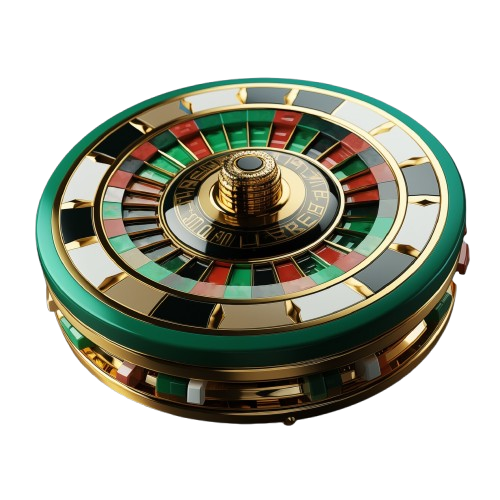
Live casino sections at foreign online casinos aim to replicate land based tables through real time streams and professional dealers. Typical lobbies include multiple roulette and blackjack tables at different stakes, together with baccarat, casino poker and game show style formats such as wheel based games and bonus rounds. Many content providers stream from studios in Europe or other regions and offer tables in several interface languages to serve international audiences.
Niche and Innovative Game Types
One of the distinctive aspects of foreign casinos is the availability of niche and emerging game types. Several offshore sites list crash games, where multipliers rise until a round ends, alongside instant win titles, scratchcards and simple arcade style games designed for quick sessions. Bingo, keno and hybrid products that mix slot and bingo mechanics also appear more frequently than on some domestically regulated platforms.
Bonuses and Promotions at Foreign Casinos
Foreign online casinos typically use a wide mix of bonuses and promotions, but the conditions attached to these offers can be stricter than the marketing headlines suggest. Common types include welcome packages, reload bonuses, free spins, cashback deals, tournaments and tiered loyalty or VIP programmes. Exact rules around wagering, maximum winnings, eligible games and expiry differ between licences and individual operators, so bonus terms at foreign casinos can vary significantly from site to site.
- Typical Welcome Bonuses at Foreign Casinos
Welcome offers at foreign casinos are often structured as matched deposit bonuses, sometimes combined with free spins or extended over several deposits. Examples described in industry guides include 100 percent matches up to a set amount, multi step packages over the first two to four deposits, and hybrid deals that pair cash bonuses with a fixed number of spins on selected slots. Some operators also use smaller no deposit bonuses for new accounts, although these usually carry tighter rules on wagering and withdrawal caps.
- Wagering Requirements and Game Restrictions
Wagering requirements are one of the most important aspects of any casino promotion. They specify how many times a player must stake the bonus amount, or the bonus plus deposit, before any winnings can be withdrawn. Guides that break down examples show that slots frequently contribute 100 percent towards these requirements, while many table games, video poker and some live dealer titles contribute at much lower percentages. This means that playing non slot games with bonus funds can effectively multiply the true wagering burden.
- Loyalty Programmes and VIP Clubs
Loyalty schemes and VIP clubs at foreign casinos typically work on a tiered points system. Players earn points or status through real money wagering, and reaching higher tiers unlocks benefits such as higher cashback rates, personalised offers, gifts, or faster withdrawals, depending on the operator’s design. Industry overviews describe common structures that start with entry levels offering modest perks and progress through multiple stages up to high value tiers with dedicated account managers and tailored rewards.
Payment Methods at Foreign Online Casinos
Foreign online casinos typically support a wide mix of payment options designed for international users rather than one specific country. Dutch players usually see combinations of cards, bank transfers, e wallets, cryptocurrencies, vouchers and sometimes carrier billing, depending on the operator and its target markets. This variety allows accounts to be funded from different financial systems, but it also means that limits, fees and processing times can vary more than at KSA licensed Dutch sites.
Traditional Banking Methods
Most foreign casinos accept major debit and credit cards such as Visa and Mastercard for deposits and often for withdrawals as well. Industry overviews highlight that card payments are usually instant for deposits, while withdrawals can take several business days as they pass through banking networks and internal checks. Some providers or countries restrict credit card use for gambling, so availability can depend on the player’s bank and location.
E Wallets and Fintech Solutions
E wallets are widely used at foreign casinos because they balance speed, convenience and a degree of separation between the casino and the player’s main bank account. Services such as Skrill, Neteller and PayPal, where permitted, allow deposits to be made instantly from stored balances or linked cards, with withdrawals often processed faster than traditional bank transfers. Many reviews point out that e wallet payouts can complete within hours or the same day once internal casino checks are done, making them popular among frequent players.
Crypto and Alternative Payments
A growing number of foreign casinos accept cryptocurrencies alongside traditional money, or operate as hybrid platforms that support both. Commonly used coins include Bitcoin, Ethereum, Litecoin and stablecoins, which are deposited via wallet addresses and confirmed on the blockchain before being credited to the casino balance. Casino focused payment articles note that crypto deposits are often processed quickly and may carry low or zero fees at the operator level, with the main costs coming from network transaction charges.
Fees, Processing Times and Limits
Comparisons of casino payment methods indicate that fees and speeds differ both between methods and between operators. Bank transfers and some card withdrawals can involve higher fees and longer processing windows, particularly for international transactions, while e wallets and crypto often provide quicker payouts and lower costs. Foreign casinos may choose to absorb some costs or pass them on, so it is common to see fee tables that distinguish between free deposits and paid withdrawals for specific methods.
Currencies and FX for Dutch Players
Foreign casinos often support multiple account currencies, with euros, US dollars and other major units available for selection at registration. If a Dutch player chooses to hold an account in EUR at a site that also operates in other currencies, card, bank and many e wallet payments can be processed without conversion, which simplifies tracking and avoids extra FX costs. When deposits or withdrawals involve a currency different from the bank or wallet’s base currency, conversion takes place at rates set by the financial provider, and additional FX or international transaction fees may apply.
Safety at foreign online casinos depends on the strength of their licence and how well operators implement protection tools, while Dutch licensed sites also sit under the Kansspelautoriteit’s direct supervision and CRUKS. For Dutch players, the main differences concern who enforces the rules, which tools are mandatory and how easy it is to resolve problems from the Netherlands.
Role of Foreign Regulators
Foreign casinos typically operate under regulators such as the Malta Gaming Authority, the Curaçao Gaming Control Board, Gibraltar authorities or similar bodies. Analyses of these licences note that they require operators to implement KYC, AML controls, fair gaming via certified RNGs and basic responsible gambling measures, with audits and compliance checks at intervals. Player protection scores for major regulators differ, with recent comparisons rating the UKGC highest, the MGA somewhat lower and Curaçao’s reformed framework still developing but with new mandatory policies on age checks, self exclusion and limits.
For dispute handling, foreign regulators generally expect players to raise complaints with the casino first and then escalate to the regulator or an appointed ADR body if needed. However, any process takes place under the law of the licensing country, and enforcement strength varies between jurisdictions, which can influence how confident players feel about cross border complaints.
Tools and Policies at Foreign Casinos
Many foreign licensed casinos provide security and safer gambling tools that resemble those at regulated Dutch sites. Technical protections usually include SSL encryption, secure payment processing and account login safeguards such as two factor authentication. Responsible gambling pages often list options like deposit limits, loss limits, cool off periods and site specific self exclusion, along with links to international support organisations.
New responsible gaming policies in jurisdictions such as Curaçao highlight requirements for robust age verification, self exclusion mechanisms with multiple durations, real time spending limits, reality checks and behaviour monitoring to detect problematic play. These tools operate at individual operator level and are not connected to Dutch CRUKS, so self exclusion on one foreign site does not automatically block access elsewhere. The quality and visibility of these features can differ significantly between operators, even under the same regulator.
Risks Specific to Foreign
Casinos
Several reports emphasise that enforcement standards across offshore and international regulators are inconsistent, which can leave players with weaker practical protection than on tightly supervised markets such as the Netherlands. Dutch sources note that the KSA can impose high fines, publish sanction decisions and revoke licences, while some offshore regulators have historically been slower to penalise non compliant operators, though reforms are underway in places like Curaçao. From a Dutch player’s perspective, this can translate into greater uncertainty about how quickly serious issues will be addressed.
Enforcement of rights across borders can also be more complicated. If a dispute arises with a foreign casino over withheld winnings or account closure, resolving it may require dealing with support and regulators in another language and legal system. Geo blocking and jurisdictional restrictions add another layer, since licences usually authorise operation only in permitted territories and operators are expected to block access from restricted countries using IP and payment checks. Changes in local laws, regulatory pressure or payment relationships can lead to sudden access blocks for certain regions, potentially affecting Dutch users at short notice.
Dutch Licensed Sites vs Foreign Licensed Sites
Under the Dutch Gambling Act, the KSA combines licensing, supervision and enforcement powers and can issue binding instructions, cease and desist orders and substantial fines when operators or facilitators break the rules. Licensed Dutch operators must connect to CRUKS, implement detailed risk analyses and duty of care models, and maintain clear procedures for preventing and managing problem gambling. Evaluations from industry sources describe the KSA as one of the stricter European regulators, with high channelisation into the legal market but ongoing debate about possible side effects on unlicensed play.
Foreign casinos sit outside this national framework for Dutch players. Their protection standards depend on the licensing authority and how seriously the operator treats compliance, rather than on direct KSA oversight. This means that while some foreign casinos may offer strong tools and fair conditions, others may apply only basic safeguards or interpret rules more loosely, so the level of practical protection can vary widely. Buitenlandse.org therefore presents information about these differences without endorsing any specific site, and reminds readers that they remain responsible for checking licences, terms and safety features themselves before deciding how to interact with any foreign platform.
Legal Perspective for Dutch Players (Informational Only)
The Dutch Remote Gambling Act makes it legal to offer online gambling in the Netherlands only if an operator holds a licence from the Kansspelautoriteit (KSA). The KSA licence is mandatory for any company that targets the Dutch market with online casino games, poker or sports betting and it comes with strict conditions on player protection, AML and technical security. Licensed operators must locate their game systems within the EU or EEA (or meet specific exceptions), connect their platforms to national systems like CRUKS and follow detailed rules on advertising and monitoring.
A casino is fully licensed for Dutch players when it has an active KSA remote gambling licence and is listed on the authority’s public register. Such a site is allowed to offer games to Dutch residents under Dutch rules, with the KSA able to supervise and sanction the operator if it breaks conditions. By contrast, an international casino that is accessible from the Netherlands but does not hold a KSA licence remains regulated only by its foreign authority, even if its site is available in Dutch or accepts Dutch customers. In that case, Dutch players use the service under foreign law while the KSA treats the operator as unlicensed in the Netherlands.
Foreign casinos without a Dutch licence are not allowed to legally target or advertise to the Dutch public under the Remote Gambling Act and related advertising rules. Since 2023, the Netherlands has banned untargeted gambling advertising and imposed very strict conditions on online ads, with proposals progressing towards a near total ban even for licensed operators. Unlicensed operators and affiliates face enforcement action if they promote gambling to Dutch consumers, although players may still reach some foreign sites directly via the internet or through non Dutch facing channels and those sites may choose to offer Dutch language interfaces on their own initiative.
Tax guidance aimed at Dutch residents explains that tax treatment can differ depending on whether play takes place at a Dutch licensed site or at a foreign casino. When a Dutch national uses a licensed Dutch online casino within the EU, the operator is generally responsible for paying gaming tax on gross gaming revenue so winnings are paid out net to the player. If a Dutch player wins at an online casino without a Dutch licence or at a foreign site whose management is based outside the Netherlands, the player is usually required to declare net winnings themselves and pay gaming or income tax at the applicable rate, often using specific forms from the Tax and Customs Administration. Failure to declare taxable winnings can lead to back payments, penalties or audits.
This section is informational and does not constitute legal or tax advice. Official sources emphasise that laws and tax rules can change and that personal situations vary, so players who have questions about the legality of using foreign casinos or about their own tax obligations should consult the KSA, the Dutch Tax and Customs Administration or qualified professional advisers for definitive guidance. Buitenlandse.org presents these points to help readers understand the general framework but cannot replace advice from official Dutch authorities.
A structured check helps Dutch players understand what they are dealing with when looking at a foreign online casino. The steps below outline key points to review in a neutral, practical way.
Check licence and ownership
Start by scrolling to the footer or “About” section to see where the casino is licensed, for example Malta, Curaçao, Gibraltar or another jurisdiction. The licence number, regulator name and company details should be clearly stated and consistent across the site, privacy policy and terms. You can usually cross check the company name and licence on the regulator’s own website to confirm that the authorisation is valid and active.
Review security and fairness information
Next, look for basic technical protections such as SSL encryption (often shown as a padlock symbol and HTTPS in the browser and mentioned in the privacy or security section). Reputable foreign casinos also refer to certified random number generators and list their main game providers, which indicates that games come from established studios that undergo testing. Some operators mention independent testing labs or auditors, which can be another signal that fairness is assessed by external specialists.
Look at payment options, limits and fees
The banking or payments page should show which methods are supported, including whether euro accounts are available and whether there are options that work smoothly from Dutch bank accounts or e wallets. Check minimum and maximum deposit and withdrawal amounts for each method, as well as any stated fees the casino may charge on transactions. It is also helpful to note the listed processing times for withdrawals, since these can vary widely between bank transfers, cards, e wallets and crypto.
Study bonus terms and general T&Cs
Before relying on any promotion, open the bonus terms and general T&Cs to see how offers work in detail. Points to pay attention to include wagering requirements, which games count towards wagering and at what percentages, maximum winnings caps on bonuses and free spins, and any bet size limits while a bonus is active. The general terms can also reveal when KYC checks are triggered, how dormant accounts are treated, what happens with inactive balances and how the casino handles disputes.
Check responsible gambling tools and support
A foreign casino’s responsible gambling page should outline available tools such as deposit and loss limits, session or reality checks, temporary breaks and site specific self exclusion options. These features indicate how seriously the operator approaches player protection in practice, even outside CRUKS. It is also worth reviewing which support channels are offered, for example live chat, email or telephone, and whether response times and opening hours are clearly stated.
Consider language and localisation quality
Finally, assess how well the site is localised for Dutch players in terms of language and clarity. Some foreign casinos offer full Dutch interfaces and help pages, while others rely mainly on English with limited translations. Clear, well written Dutch or English in critical sections such as terms, banking and responsible gambling materials can make it easier to understand rights and obligations. If support is only available in English or another language, that is also a practical factor to consider when evaluating whether the casino is a good fit.
FAQs
1. What is a foreign online casino for Dutch players?
A foreign online casino for Dutch players is a site that does not have a Kansspelautoriteit (KSA) licence but operates under a foreign regulator such as the Malta Gaming Authority or Curaçao. It may still accept Dutch customers and even offer a Dutch language interface, yet remains regulated only by its licensing jurisdiction and not by the KSA.
2. Are foreign online casinos legal to use from the Netherlands?
Dutch law focuses on whether operators are licensed to offer games to the Dutch market, and unlicensed providers that target Dutch players can face sanctions from the KSA. Public guidance notes that Dutch players are not the primary enforcement target, but using unlicensed sites means stepping outside the Dutch protection framework, so anyone concerned about legality is usually advised to consult official sources or legal advice.
3. How do foreign casino licences like MGA or Curaçao differ from a Dutch licence?
An MGA or Curaçao licence authorises an operator under Maltese or Curaçaoan law, with those regulators setting rules on KYC, AML, game fairness and responsible gambling. A Dutch KSA licence, by contrast, ties the operator into the Remote Gambling Act, CRUKS and strict national advertising and player protection rules. Comparisons often describe the MGA as stricter and more EU focused, Curaçao as historically looser but reforming, and the KSA as one of the tougher regulators in Europe.
4. Why do some Dutch players choose foreign casinos?
Dutch language articles point out that foreign casinos can offer broader game selections, including extra slots, live casino variants and sometimes sports betting options that differ from the Dutch regulated offer. They may also advertise larger or more flexible bonuses, support additional payment methods such as certain e wallets or crypto and apply different limits on stakes and game types.
5. What are the main risks of playing at foreign casinos?
Key risks highlighted in public guides include the absence of CRUKS self exclusion and direct KSA oversight, which reduces Dutch specific protection if gambling becomes problematic. Enforcement standards and complaint processes vary between foreign regulators, so resolving payout disputes or term changes can be more difficult from the Netherlands. Players also face potential geo blocks or sudden access changes if regulators or payment partners tighten rules on offshore gambling.